Investigation
Researching the Brief
The brief states that forests are increasingly threatened by climate change,
biodiversity loss, wildfires, droughts, high temperatures and diseases.
It also states that forests are one of the most important ecosystems on Earth.
Forests play a key role in absorbing CO2 from the atmosphere, helping slow climate change.
They also protect soil and water systems and support biodiversity.
Due to the recent prevalence of wildfires (Australia 2020 and Los Angeles 2025 being the most notable),
the immense damage that they cause (financial, economic and personal) and the cyclical nature of the issue
(Climate change causes wildfires, wildfires emit CO2, CO2 aggravates climate change
etc.), I have decided to make wildfires the theme of my project.
Modelling is suitable for wildfire risk because it depends on multiple measurable factors, such as temperature, humidity and rainfall.
A computational model can combine these inputs to predict fire risk and simulate different conditions.
Wildfires in Ireland
Wildfires, despite Ireland having a mild and moist climate, are a common occurrence in Ireland.
For example, in 2025 31 fires burned 4355 hectares of land (7 times the area of Pheonix Park).
[1]
Furthermore, Wildfires have a significant cost to the Irish economy and taxpayer.
According to Maynooth University, a wildfire can cost between €1500 and €2500 per ha to suppress and replant
[2].
Using these figures, 2025's wildfires could have cost between €6.5m and €11m.
Existing Solutions
Sensor Networks
Currently sensor networks are limited in the size of their implementation. The largest scale system I could
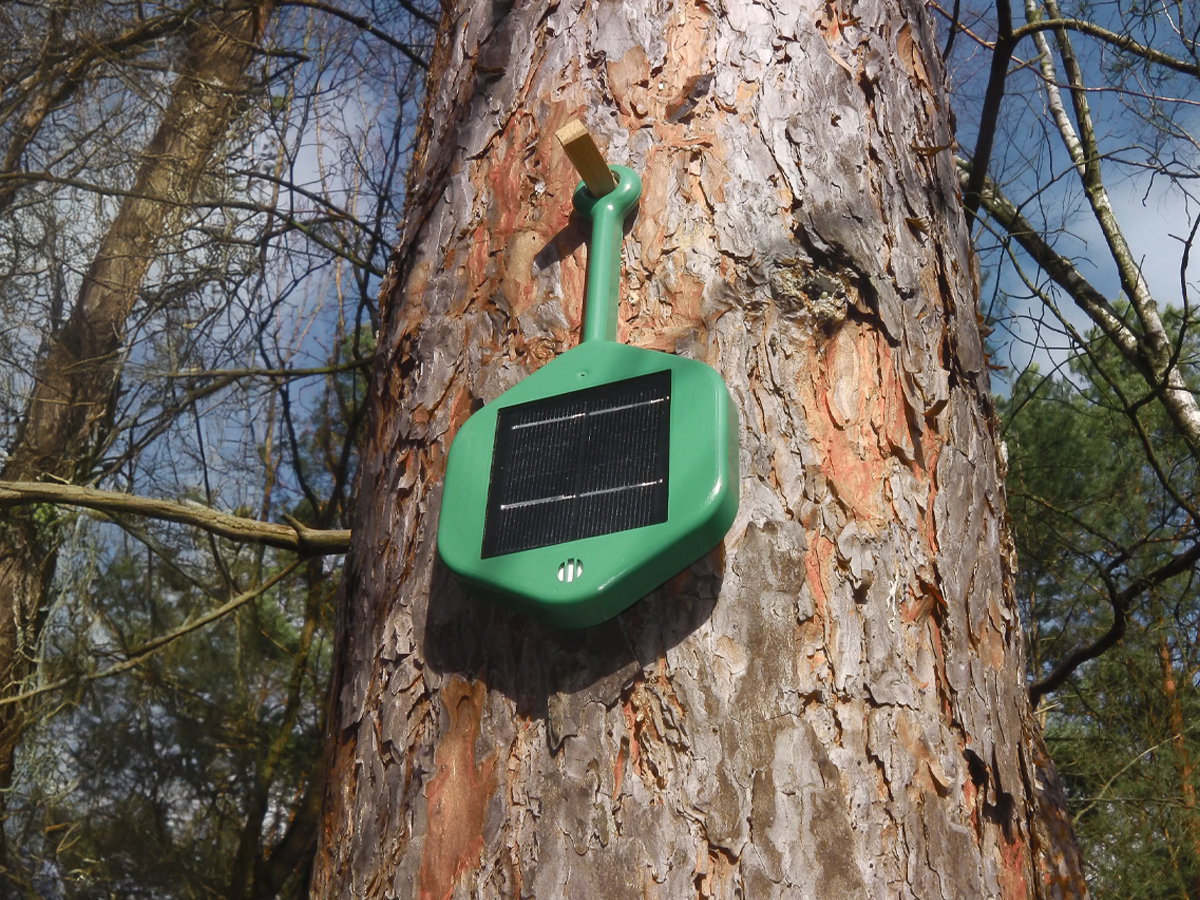
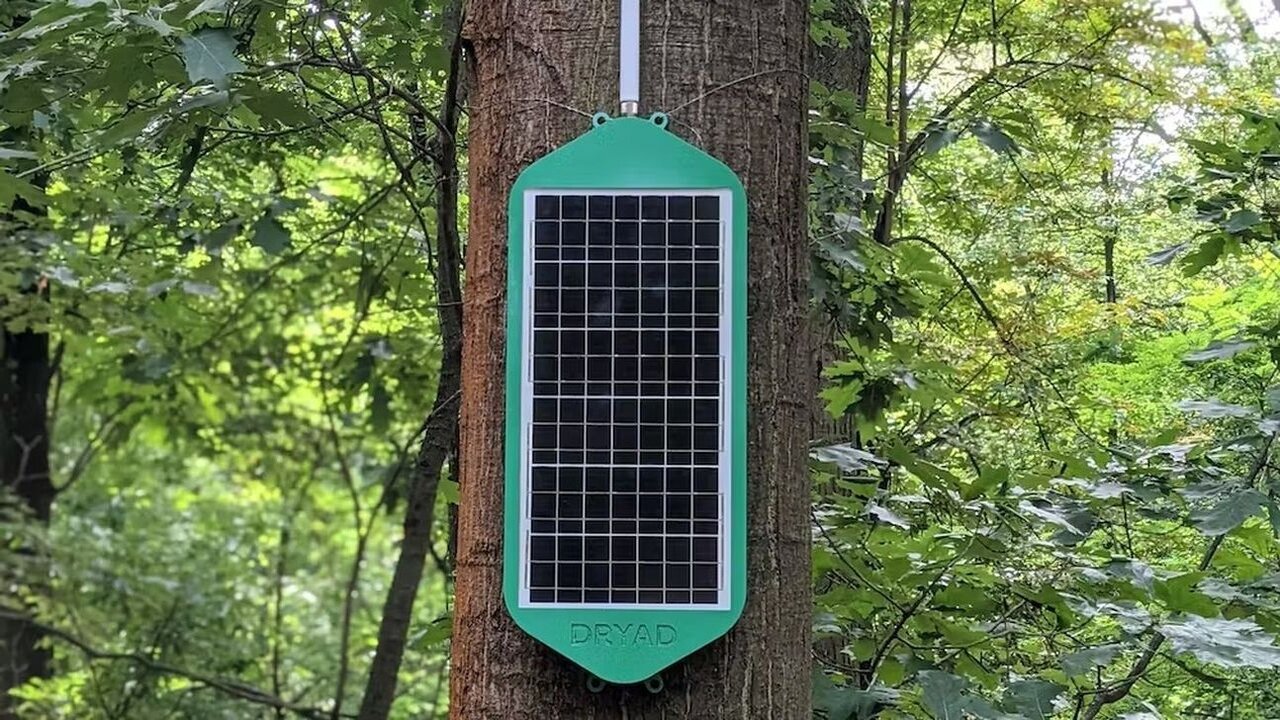
find is the Silvanet Wildfire Sensor manufactured by Dryad Networks GmbH based in Germany.
This sensor uses a Bosch BME688[3],
which measures Air Temperature, Air Moisture, Air Pressure and Air Quality.
However, the BME688 does not measure the levels of gases precisely, it only measures change in gas
resistance and estimates a CO2 level, this could reduce modelling accuracy.
The data is then used in an AI model used to detect wildfires.
The sensor utilizes a solar panel for power, supercapacitors instead of batteries for storage of electricity
to reduce fire risk and LoRaWan to transmit data.
While LoRaWan does offer low power consumption, its performance can be poor in dense environments such as
forests. It also requires additional proprietary hardware to connect to the Internet
A single sensor costs €48[4],
lasts 10-15 years and has a radius of 100m (for detection of a fire within 1
hour), therefore costing approximately €16 euro per hectare (ha) of detection.
Infrared Cameras
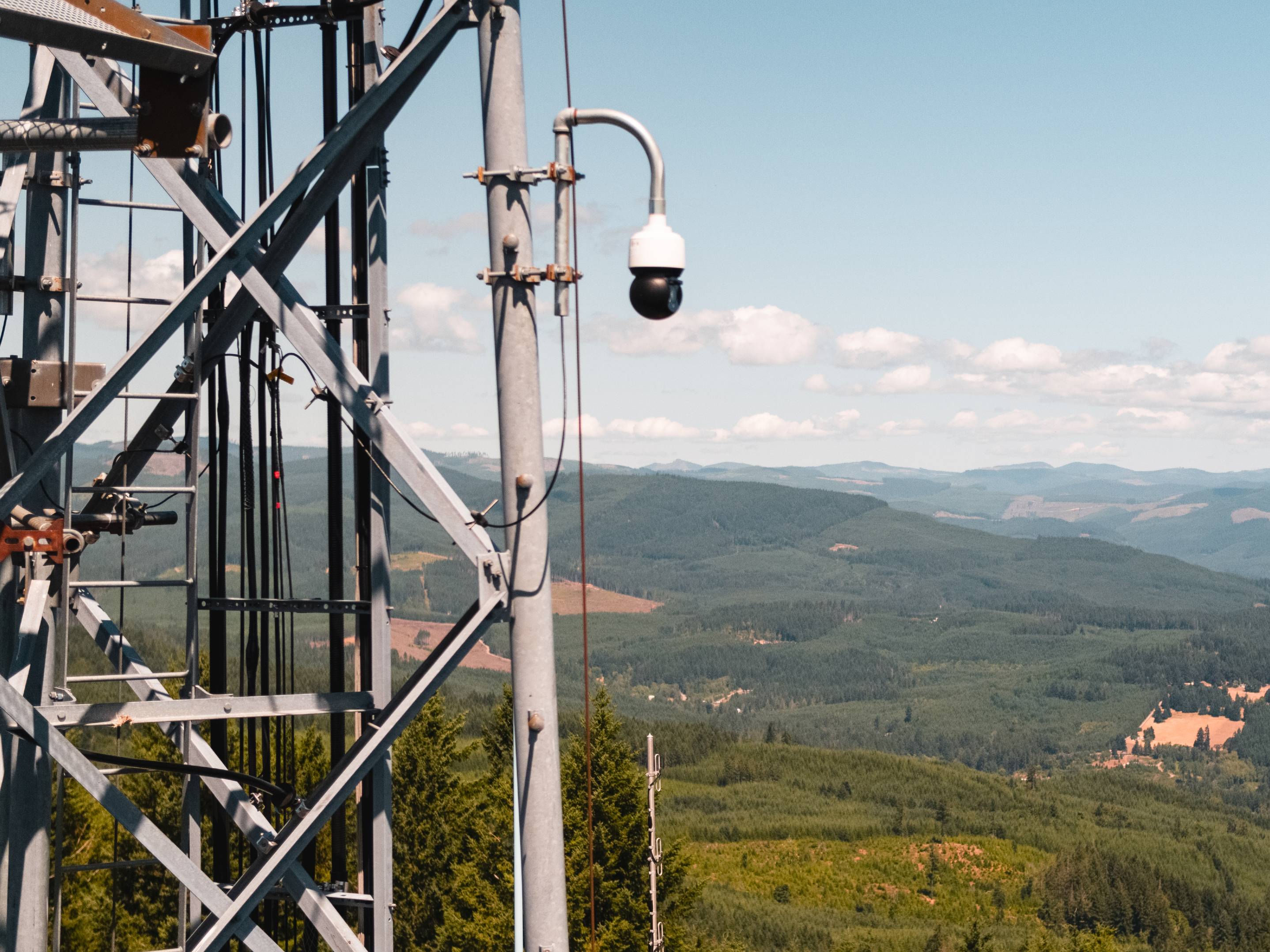
Infrared cameras are becoming increasingly prevalent as a method of detecting wildfires. Infrared cameras detect heat, which allows image-based models to identify hotspots as fires.
They are deployed either as a camera tower at a high point, or on satellites.
Infrared cameras have the benefit of high range, however, they only spot wildfires after the smoke have
risen above the forest's canopy. This means that there could be a few hours between a fire starting, and the
fire producing enough smoke to be detected.
One example of land based infrared detection is Pano AI, a California based company with cameras deployed
across 10 US states,
5 Australian states and British Columbia, Canada.[7]
Since 2020, they have detected over 100,000 fires with
their cameras, and according to Pano AI,
their detection has helped lower response time by 20-30 minutes in some cases.
The company has received 89 Million USD in venture capital and was named in the top 100 most influential
companies of 2025 by Time magazine.[8]
Currently satellites are used as a method to monitor fires once they have started and to track the fire's
border. This is because the current systems: MODIS and VIIRS have resolutions of 1km and 375m respectively.[5]
They also have a low update frequency of around 6 times a day, and slow processing time; with data taking
2-3 hours to be processed before being available to fire agencies.
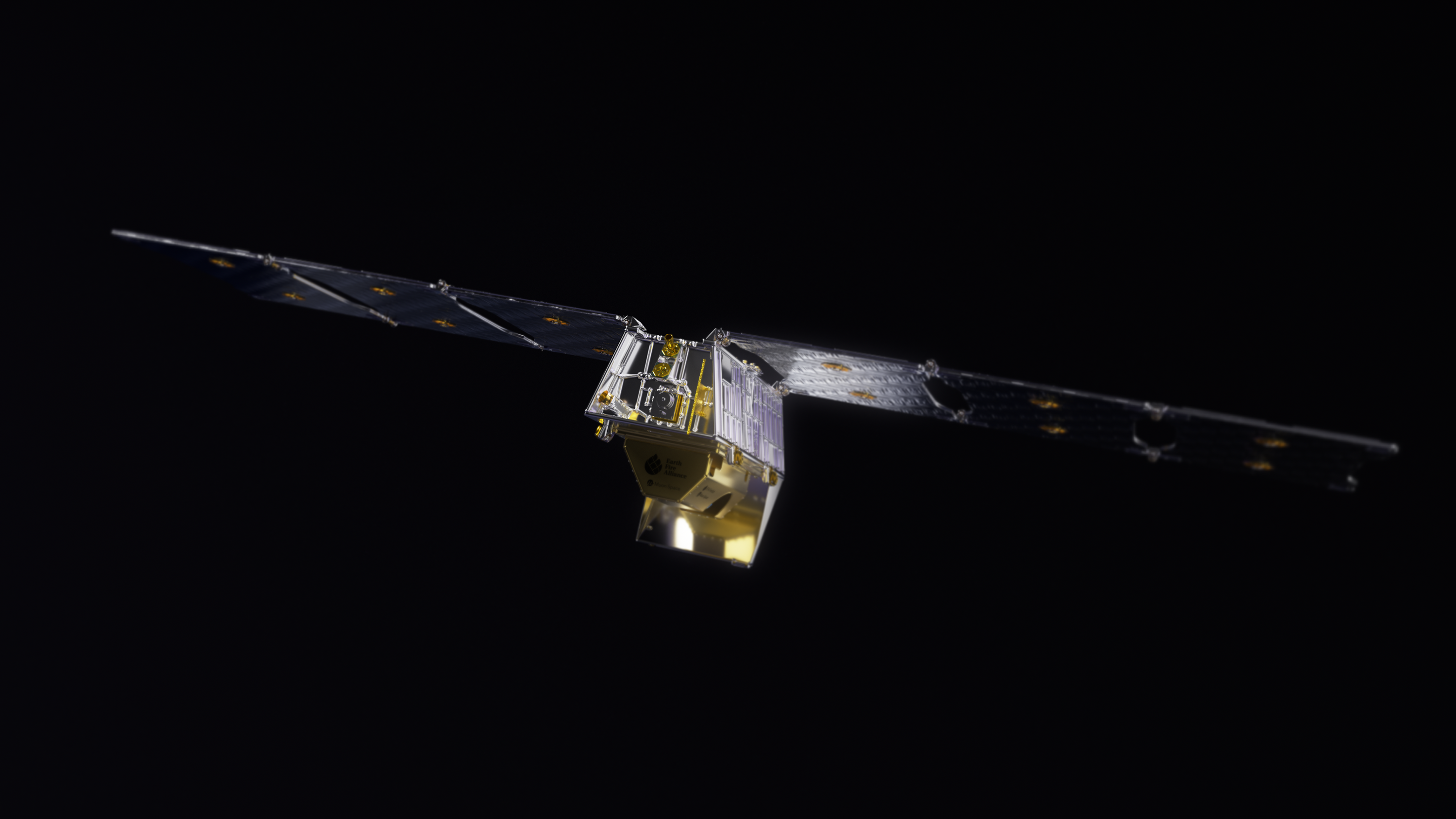
However, in 2025 a non-profit called Earth Fire Alliance in partnership with Google launched FireSat, a new
fire sensing satellite cluster which was named as one of Time magazine's best inventions of 2025.[9]
The Firesat satellite cluster can detect fires at a resolution of 5x5 metres and updates every 20 minutes.
This system has been successful so far, with 9 agencies across 3 continents using its data.
Earth Fire Alliance plans to build a constellation of 50 satellites by 2030.
The satellites' high resolution and fast updates have the potential to vastly improve the contribution of
satellites in fighting wildfires.
Watchtowers
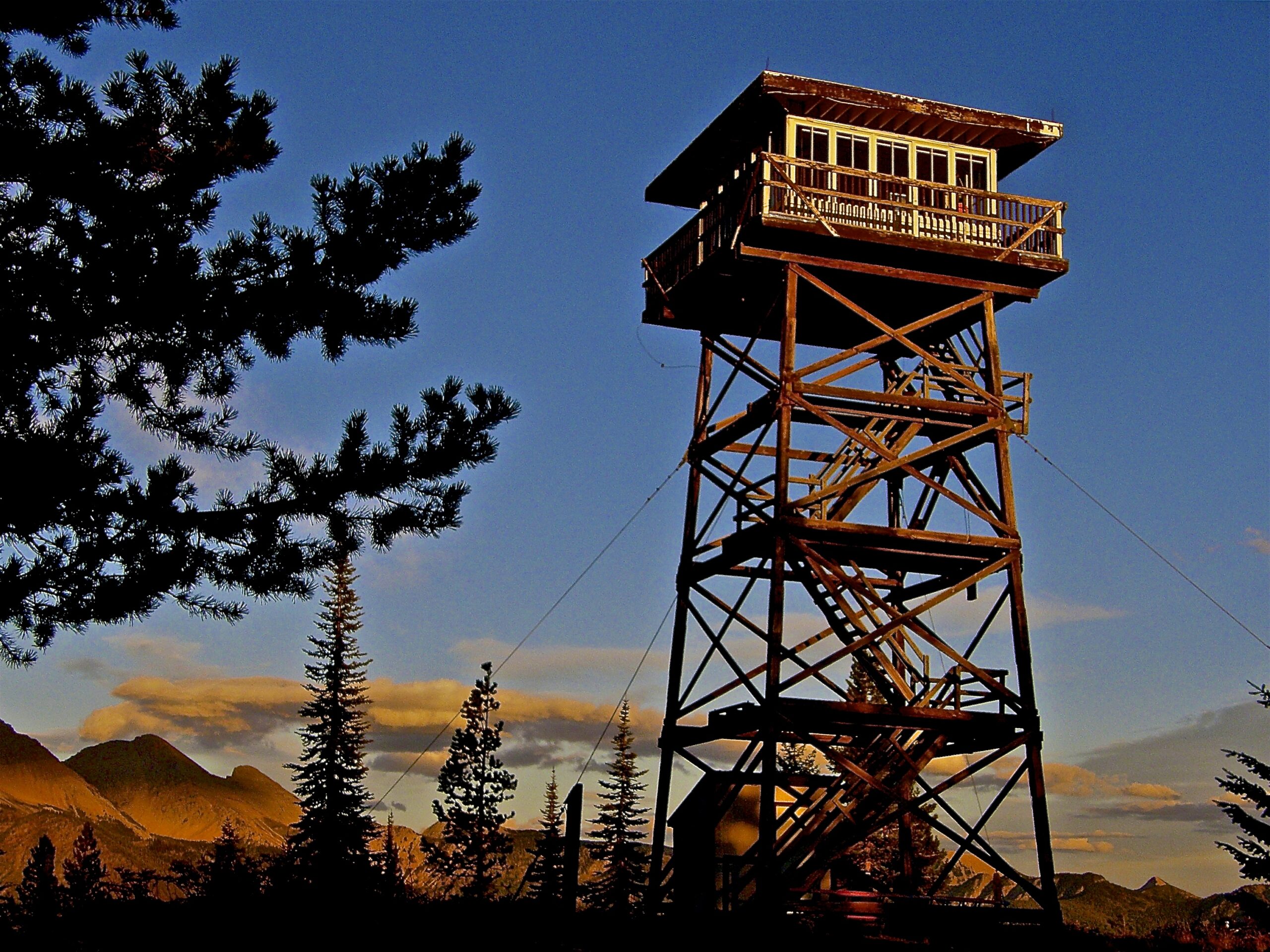
Watchtowers have historically been used for detection, however, they are being replaced by other systems.
In the US for example, at one point there were 8000 manned fire lookouts across the country
[14],
now it is estimated that there are only 300 manned lookouts remaining.
[13]
Drones
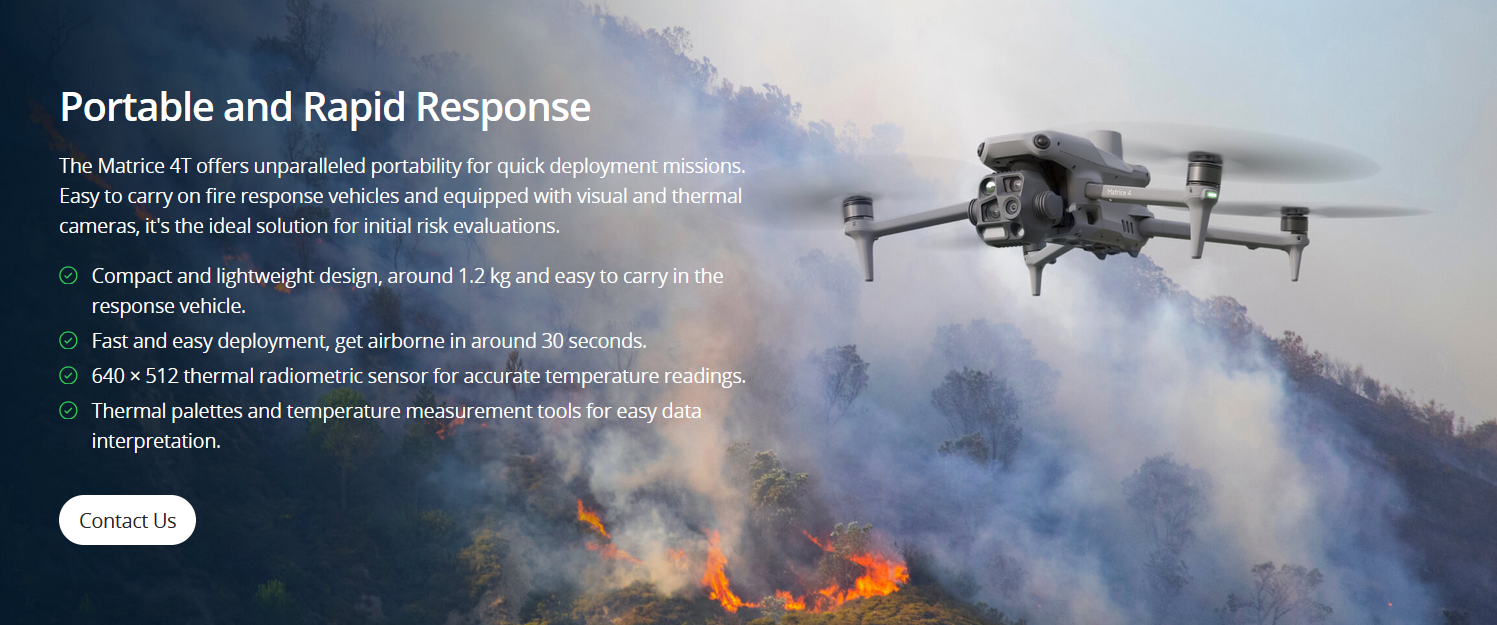
Drones have also recently been introduced as a method to detect and track wildfires.
Drones use cameras and thermal sensors to record visual or thermal data, used to detect or monitor wildfires. They use image-based modelling to analyse the data and detect fires.
Drones have limited flight time, which limits the amount of data they can get.
For example, DJI, a leading drone manufacturer currently sells drones for detecting wildfires.
How Research Informed My Project
Because my research showed that existing systems have issues detecting small fires quickly, do not predict risk locally and often don't measure real CO2 levels, I decided to create an embedded system which can be deployed in a very dense network, predict fire risk using changing weather data such as temperature, humidity and rainfall; and uses CO2 levels to improve early stage fire detection.
Final Idea
The final idea is a sensor-based system designed to detect and predict wildfire risk in a local area. A limitation of this approach is that accuracy depends on the quality and availability of environmental data.